
Three UC students participated in the Undergraduate Research Program (IPRE) and developed projects related to the case studies of the Data Justa Millennium Nucleus, receiving feedback from the research team.
The Undergraduate Research Program (IPRE) at the Pontifical Catholic University of Chile is an initiative that promotes the participation of undergraduate students in research projects, providing them with a training space to develop academic, methodological and teamwork skills.
In this context, on Monday, August 4, 2025, a meeting was held between the Data Justa team and IPRE researchers Margarita Barrera, Sofía Fredes, and Florencia Escobedo, undergraduate students at the Pontifical Catholic University of Chile. The meeting aimed to present the progress of their respective research projects, which are part of the Millennium Nucleus case studies, and to receive feedback from the principal investigators.
The first presenter was Margarita Barrera, a Social Work student at UC, who presented the main findings of a comparative study on intervention models for human trafficking in Latin America. Her research is based on an exploratory literature review and the analysis of country profiles developed from 15 key questions. Among the main results, it was highlighted that, while all the countries analyzed have national strategies or plans against trafficking, these exhibit varying levels of implementation and funding. Furthermore, a high degree of fragmentation in victim registries was observed, along with a concentration of intervention models focused on women and girls, and a limited inclusion of other forms of trafficking and vulnerable populations, such as LGBTQ+ individuals. Based on these findings, the need to incorporate an intersectional approach into public policies to promote more inclusive and effective responses was discussed.
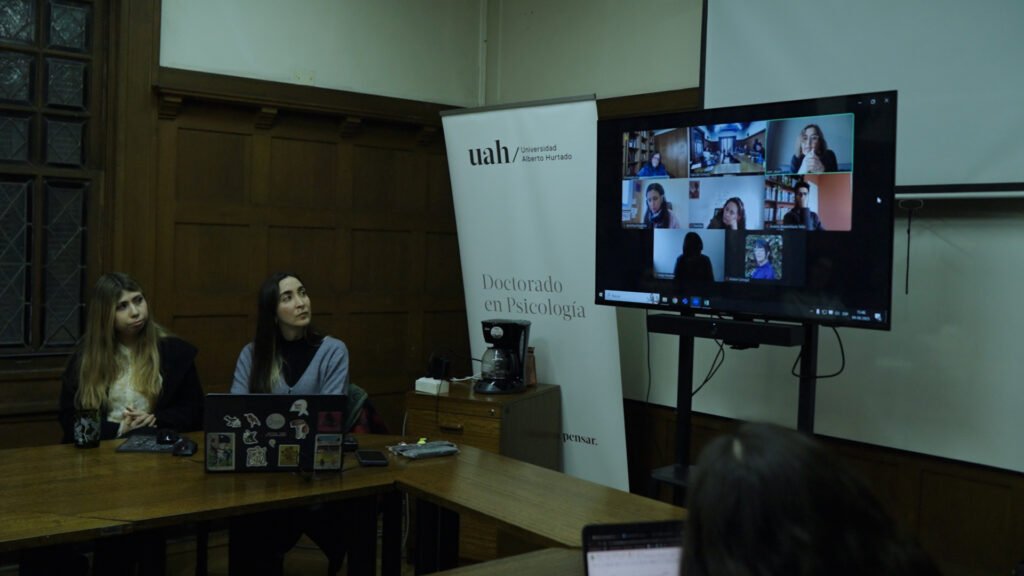
Next, Sofía Fredes, a Sociology student at UC, presented the progress of a project that seeks to systematize and make visible the information contained in national reports on human rights violations that occurred in the context of the social uprising in Chile. Her work involved building a database with 23 variables, defined based on traceability and internal validation criteria. Among the main limitations identified were information gaps, insufficient data disaggregation, and weak methodological explanations in official documents. Despite these challenges, her research has highlighted the dispersion of figures and the existing difficulties in managing and using registry data.
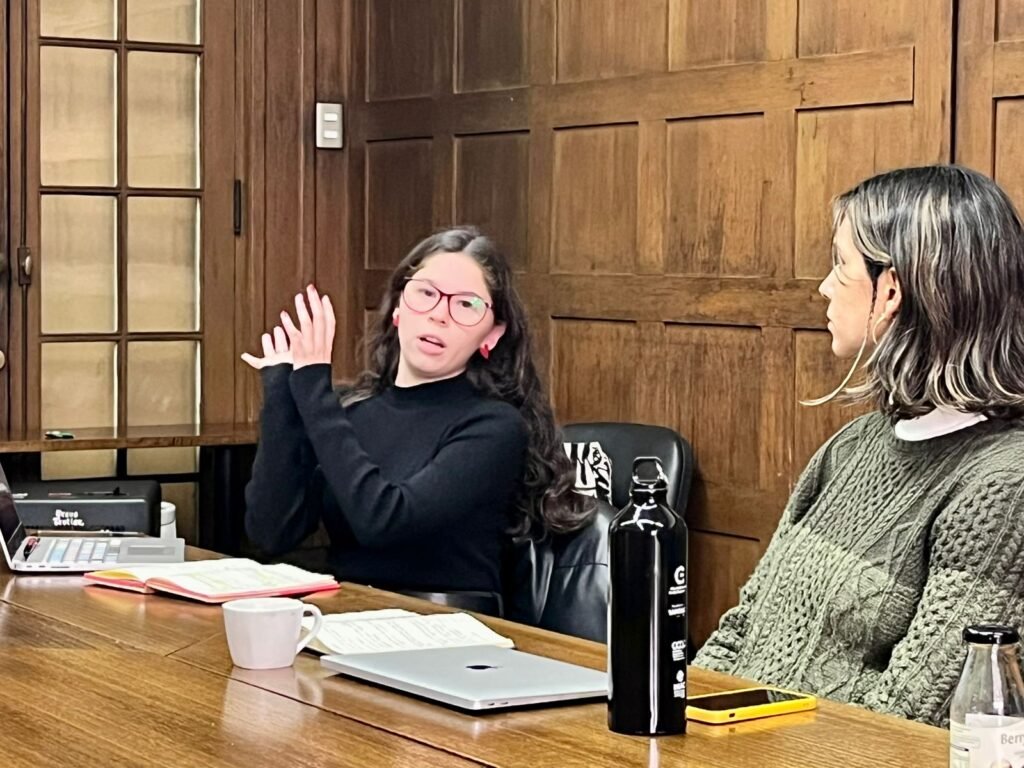
Finally, Florencia Escobedo, a Political Science student at UC, presented research on femicide records in Latin America and Spain. Her presentation addressed the different ways countries name and classify these crimes, highlighting that Chile is the only country that formally uses the category of "attempted femicide." Other countries use terms like "attempted femicide" or do not establish a distinct classification. She also analyzed the sources of information used by both the state and civil society, as well as the forms of redress associated with these cases. Her presentation then led to a series of questions and analyses regarding the differences between legislation and methods of recording femicide.
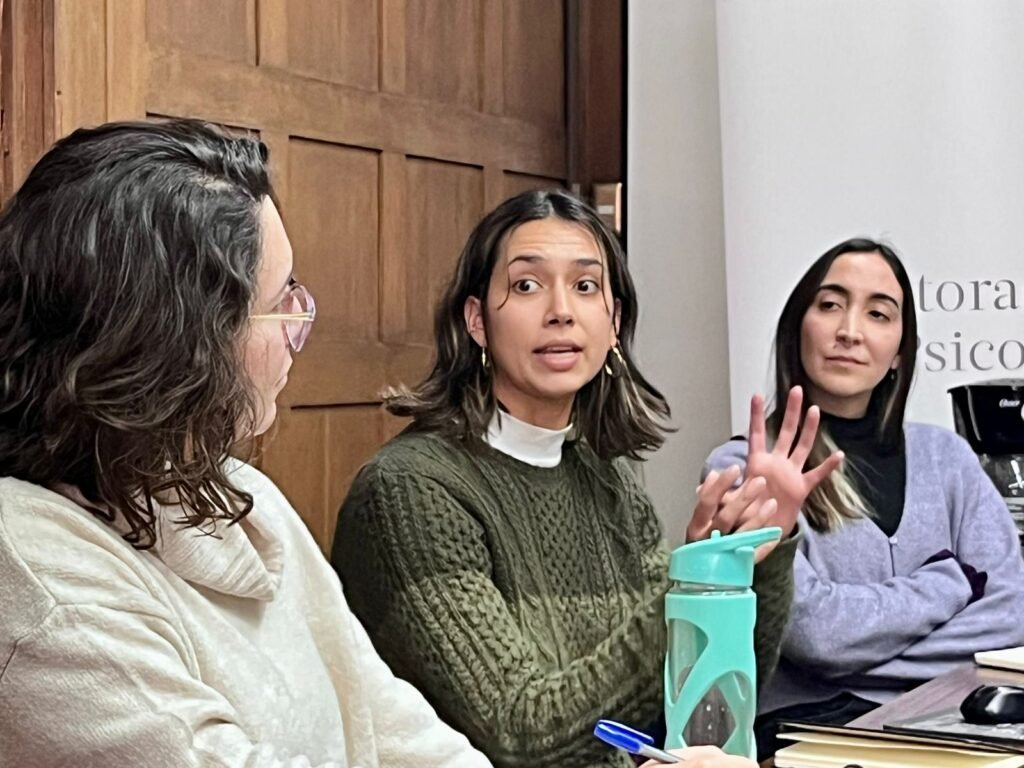
The academics responsible for supervising the students were Oriana Bernasconi (Florencia Escobedo) and Daniela Bolívar (Sofía Fredes and Margarita Barrera). In addition, they received support in developing their research from Jacqueline Vega, Daniela Mansilla, Lidia Casas, Danitza Pérez, and Ariane Carvajal, members of Data Justa, who accompanied and enriched their work. This collaboration strengthened the students' educational process, contributing diverse perspectives and experiences to their projects.
This event fostered a valuable space for dialogue and cross-feedback between undergraduate researchers and researchers from Data Justa. The presentations led to an enriching discussion about the methodologies used, the institutional gaps observed, and possible paths for continuing to investigate and raise awareness of these issues.
We thank Margarita, Sofía, and Florencia for their dedication, interest, and commitment to the topics covered, as well as the academics and professionals who supported them during their internship. The work carried out within the IPRE framework not only contributed to Data Justa's objectives but also strengthened the students' academic and professional development, opening new perspectives for future research.