
Data Justa Platform
The Data Justa Platform is a dynamic, evolving, and adaptable space for feedback, collaboration, and knowledge co-creation among researchers, academics, and public officials. It constitutes a key forum for exchanging knowledge and experiences on data justice in relation to serious human rights violations, as well as for the joint analysis of the information produced throughout the research process.
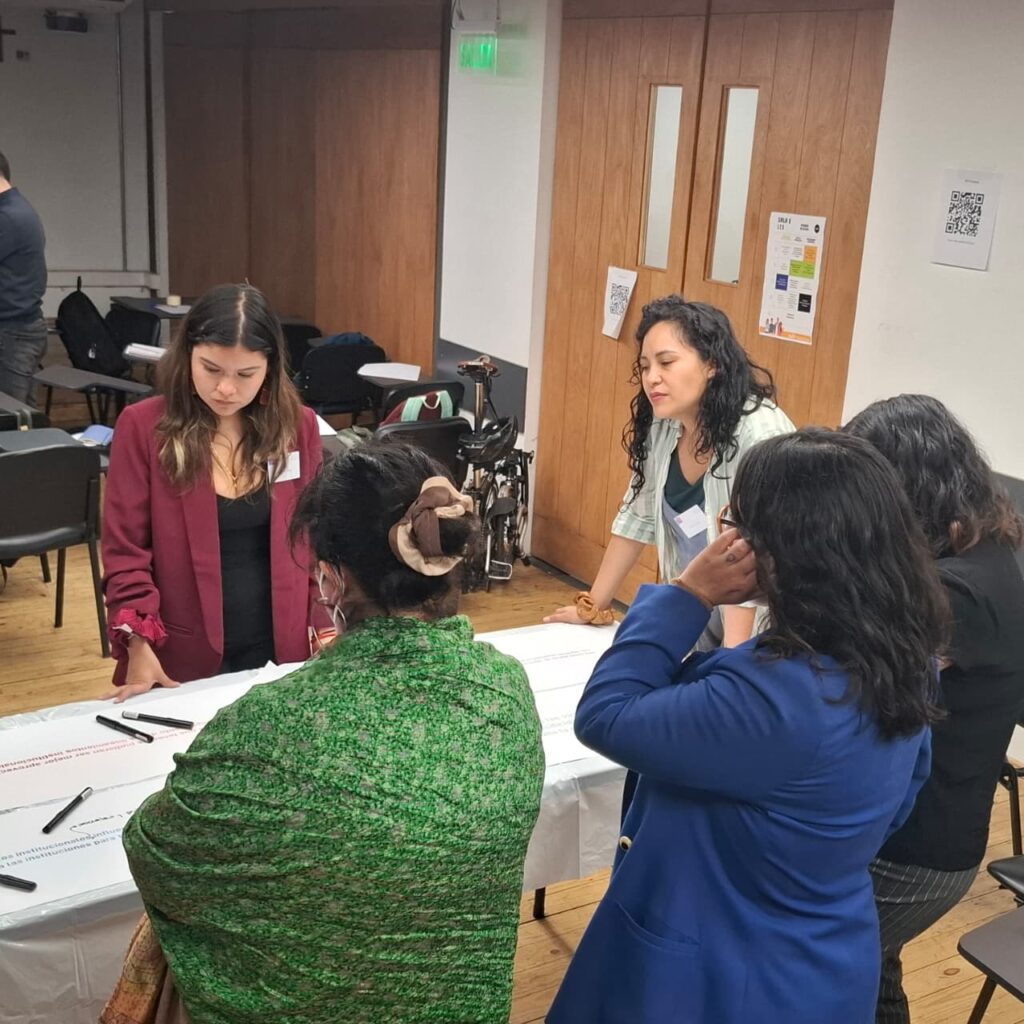
The Data Justa Platform seeks to strengthen interdisciplinary work and ensure the relevance and pertinence of the Núcleo Milenio’s conclusions and recommendations regarding State institutional practices in the prevention, investigation, sanctioning, assistance, and reparation of victims of human rights violations and serious rights infringements.
Likewise, the Data Justa Platform is a way to foster transparency and promote the public dissemination of the progress and outputs generated throughout the research process, under the principle of open science.
In practice, the Data Justa Platform operates through technical working groups that address the project’s three case studies in a cross-cutting manner: human trafficking, attempted femicide, and institutional violence in the context of demonstrations during the 2019–2020 social unrest in Chile. These sessions make it possible to analyze how different institutions produce, record, use, and coordinate information on these forms of victimization, fostering the exchange of practices, methodologies, strategies, and registration systems. In this way, the Platform constitutes a shared space for dialogue and collaboration aimed at strengthening the protection and progressive advancement of human rights.
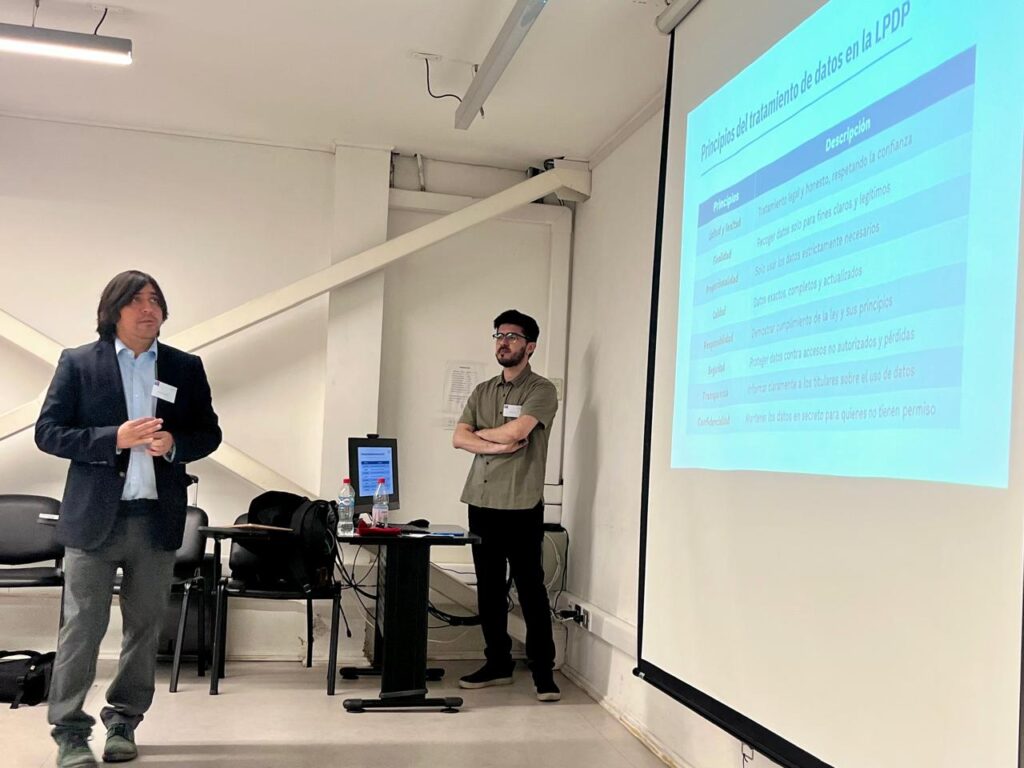
Sessions held
The Data Justa Platform has held several working sessions with participating public institutions, aimed at jointly analyzing the production and use of State data from a data justice perspective. These sessions combine brief presentations, participatory exercises, group work, and plenary discussions.
No. 1 | Epistemology for thinking about data
This session addressed conceptual tools for critically reflecting on data, its biases, and its effects on the production of knowledge. Through collective dialogue, participants discussed how forms of recording and classification shape institutional understandings of serious rights violations.
No. 2 | The notion of victimhood and interinstitutional work
The session focused on the ways in which different institutions understand, define, and support victims in their work practices. Through participatory exercises, participants analyzed institutional trajectories and coordination challenges across agencies.
No. 3 | Interinstitutional work in the regional context
This session provided an opportunity to examine the challenges of interinstitutional work at the local and regional levels, taking into account the territorial specificities of assistance and intervention processes. The methodology fostered the exchange of experiences among participating teams and institutions.
No. 4 | Restorative knowledge and its transformative potential
The session addressed the relevance of specialized knowledge in the documentation, intervention, and support of cases. Drawing on reflective inputs and group work, participants discussed its transformative and restorative potential in contexts of serious rights violations.
No. 5 | Management, protection, and interoperability of data on victims and service users
This session focused on the ways in which different institutions record, manage, protect, and use data on victims and service users. Through participatory work, participants identified opportunities and challenges related to interinstitutional coordination and data interoperability.
No. 6 | How Does the State Record? Production and Use of Data on Victims of Serious Human Rights Violations
This session focused on reflecting on the information that the State records and uses in the provision of services and case management. Drawing on a comparative analysis of registration instruments processed by Data Justa, the session examined how different institutions produce and organize information on victims of serious human rights violations.
No. 7 | Special Session with Dr. Emiliano Treré
Esta sesión especial contó con la participación del Dr. Emiliano Treré, investigador senior de Data Justa e Investigador Distinguido ATRAE de la Universidad de Santiago de Compostela. A través de una charla y un espacio de diálogo, la instancia permitió abordar temáticas vinculadas con la justicia de datos, el activismo digital y la agencia algorítmica desde una perspectiva situada en el Sur Global.