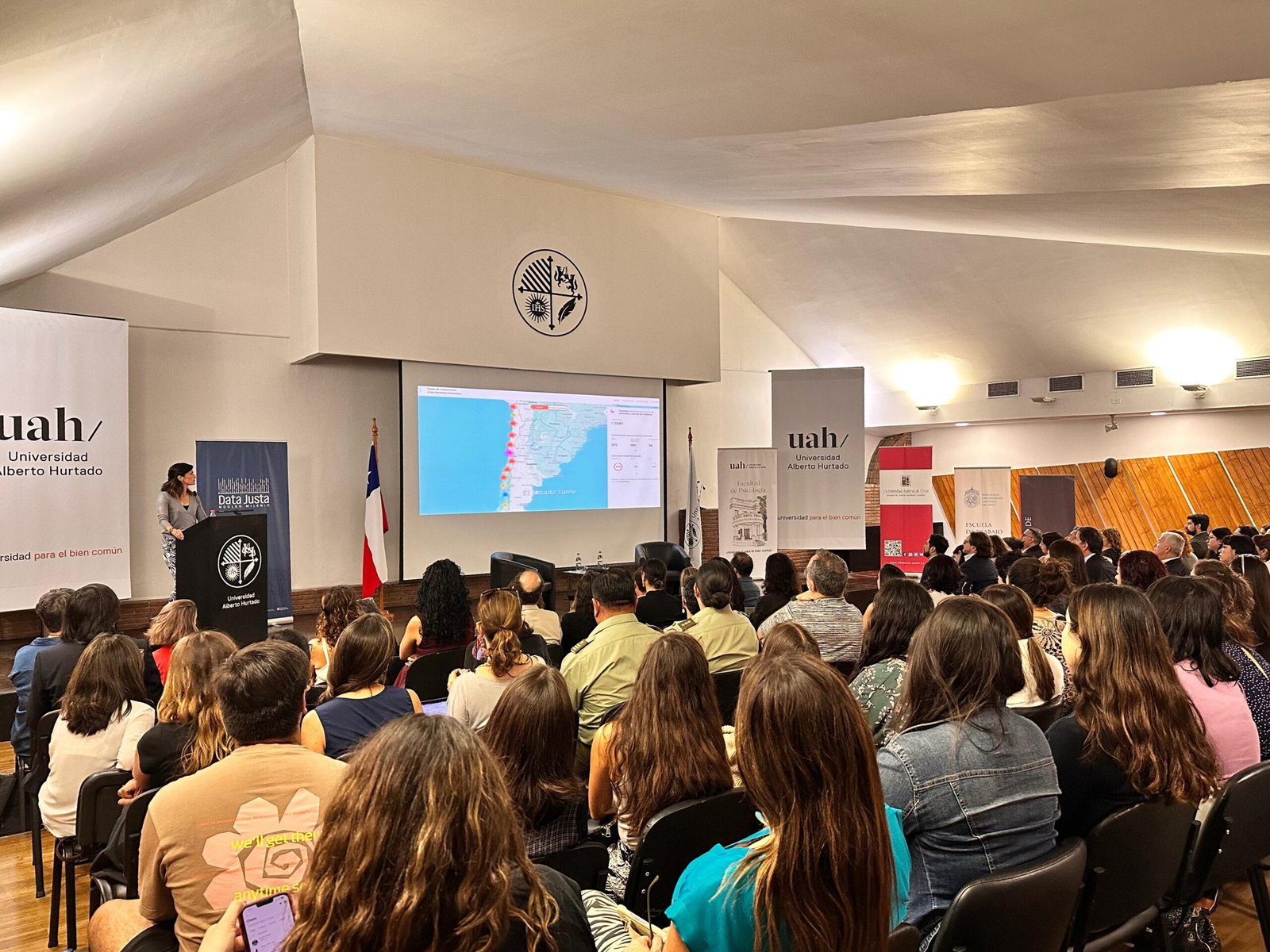
El Núcleo Milenio de Investigación en Producción y Uso Estatal de Datos sobre severas Violaciones a Derechos Humanos (DATA JUSTA- NCS2024_069) y el proyecto FONDECYT Regular 1251959 “Infraestructuras de Conocimiento y Regímenes de Intervención Estatal: un estudio latinoamericano de los Planes Nacionales de Búsqueda de Personas Detenidas Desaparecidas”, invitan a estudiantes de postgrado a postular para realizar su tesis o proyecto de investigación durante este y/o el próximo año, integrándose como tesistas a los equipos de investigación.

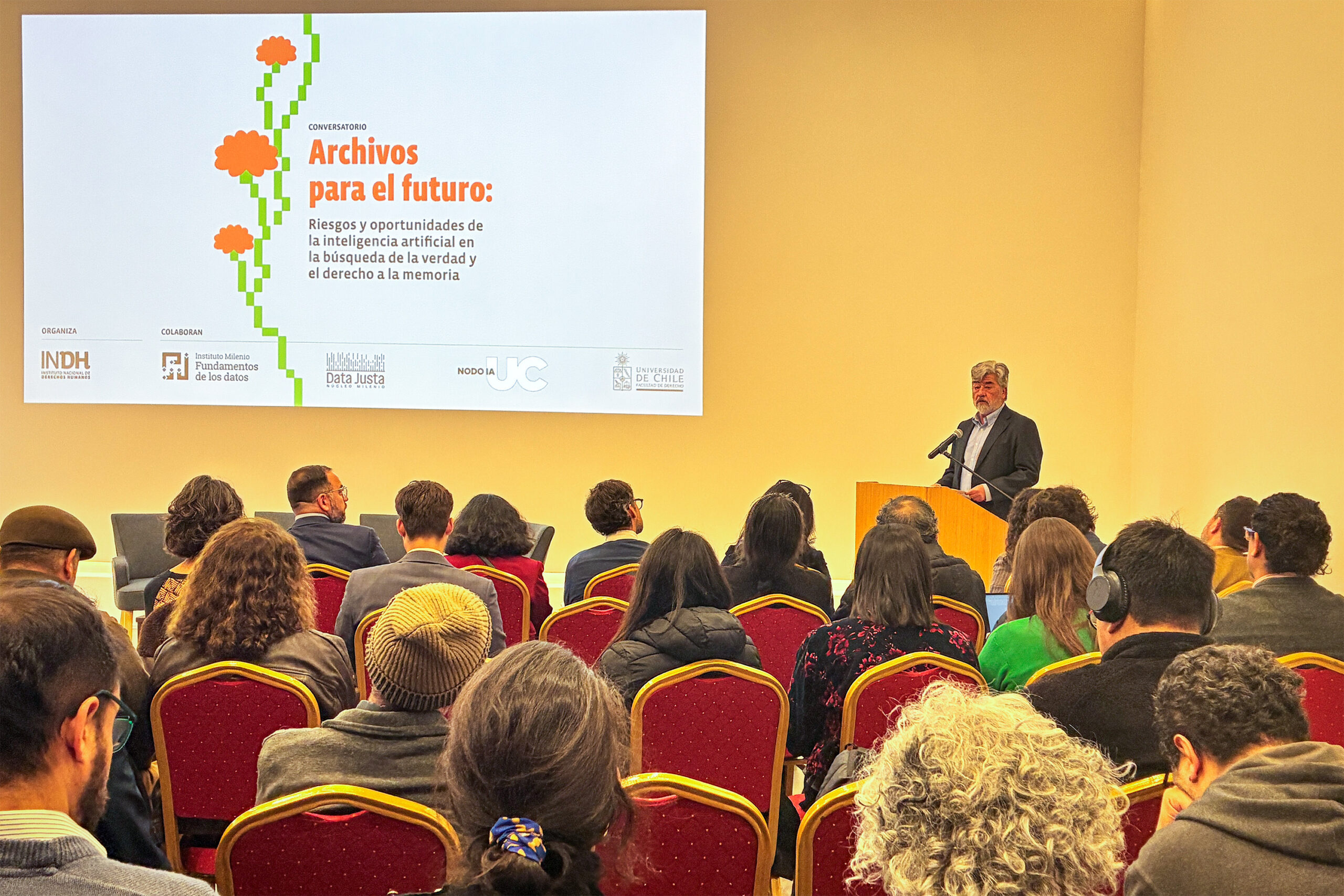
On the occasion of the International Day for Universal Access to Information, we reflect on the opportunities and challenges of using artificial intelligence in human rights archives, and on the importance of safeguarding information integrity in the search for truth and the right to memory.
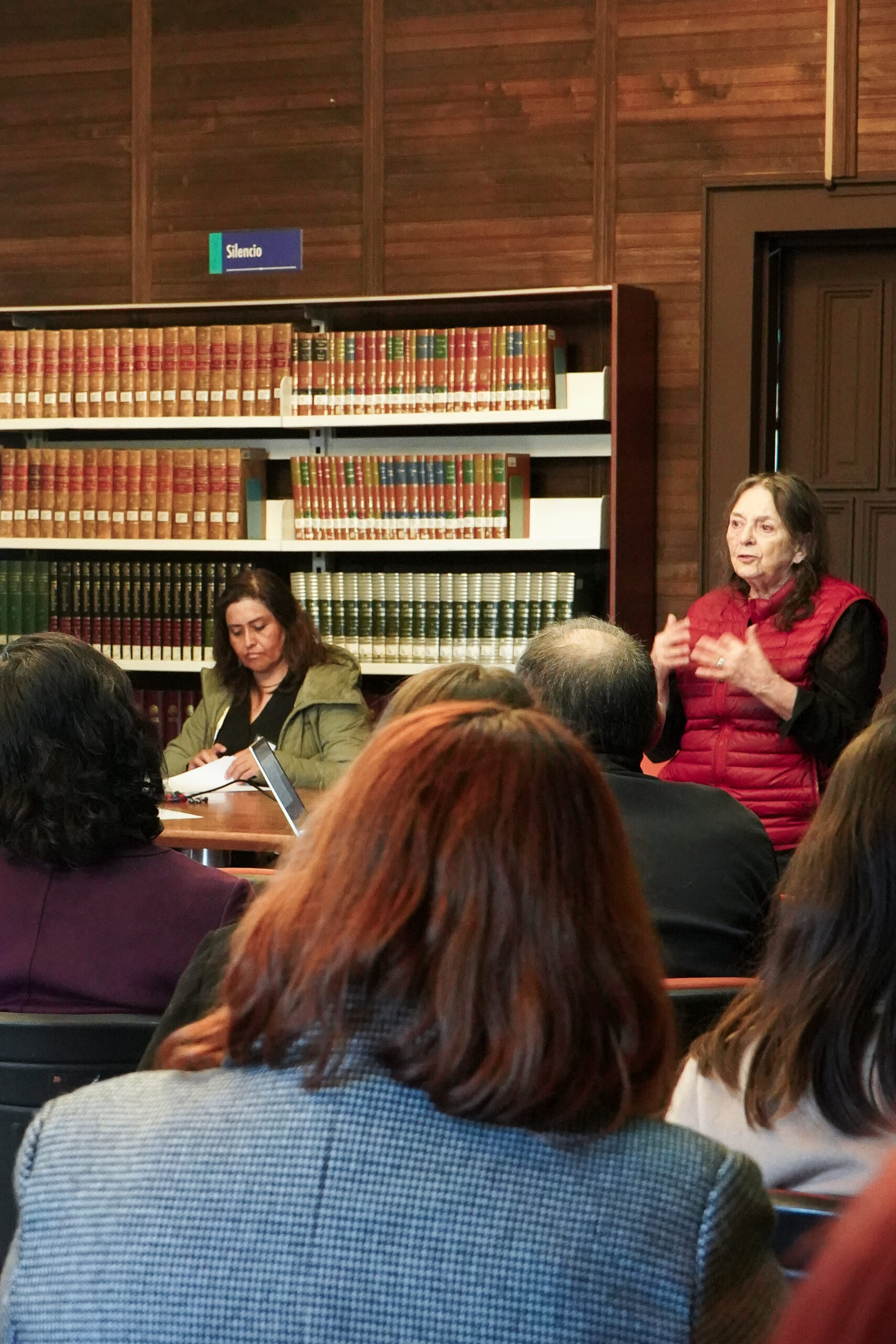
Working closely and continuously with victims of violence can also affect those who support them. Led by Elizabeth Lira and Alejandra Vega, the Eighth Session of the Data Justa Platform addressed these impacts and the need to recognise care for teams as a personal, collective and institutional responsibility.
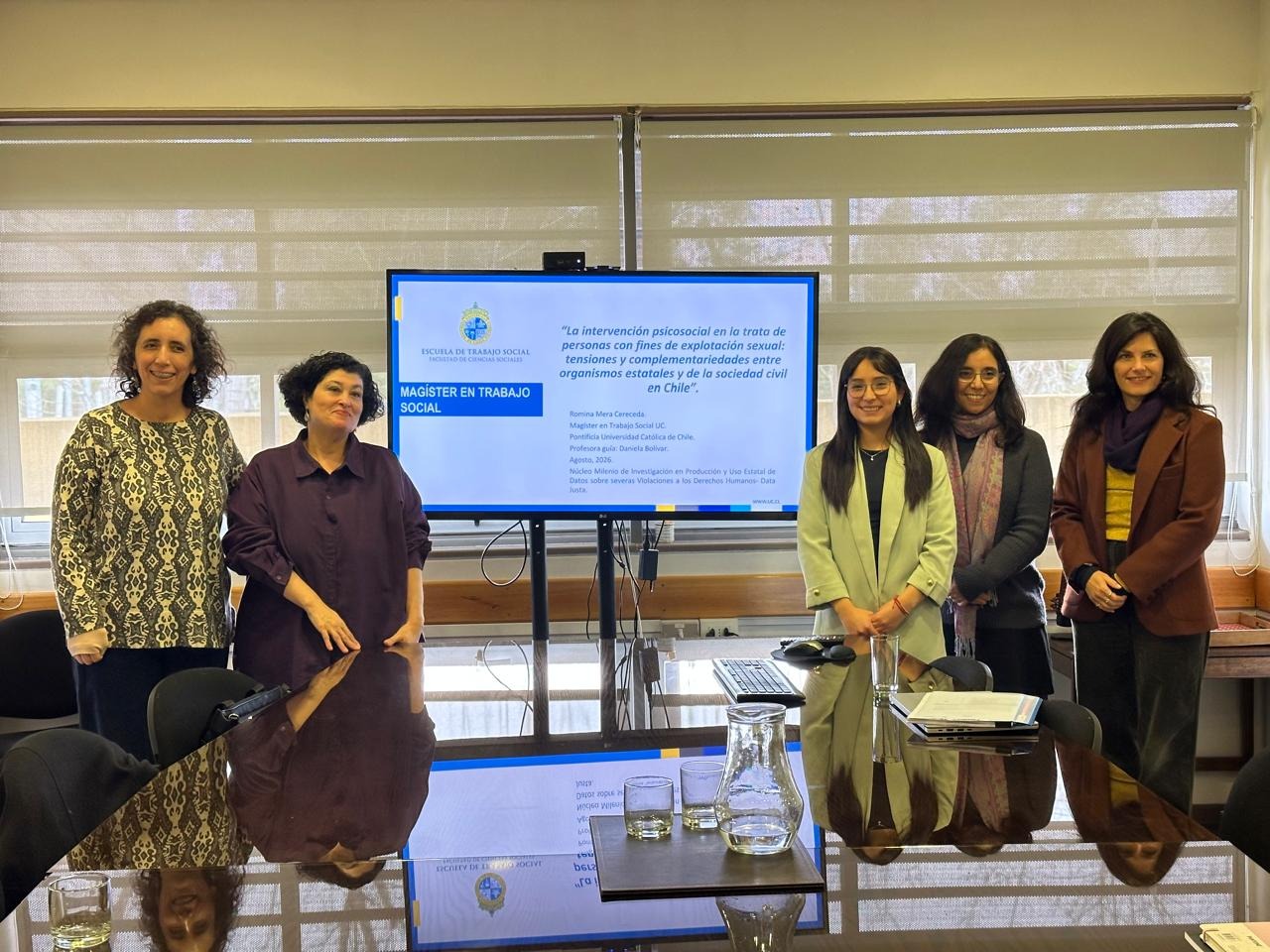
Romina Mera, a Master’s student in Social Work at Pontificia Universidad Católica de Chile, defended her thesis, “Psychosocial Intervention in Human Trafficking for the Purpose of Sexual Exploitation: Tensions and Complementarities between State Agencies and Civil Society Organizations in Chile,” on Thursday, August 27, becoming the second master’s student affiliated with the Nucleus to complete her degree.
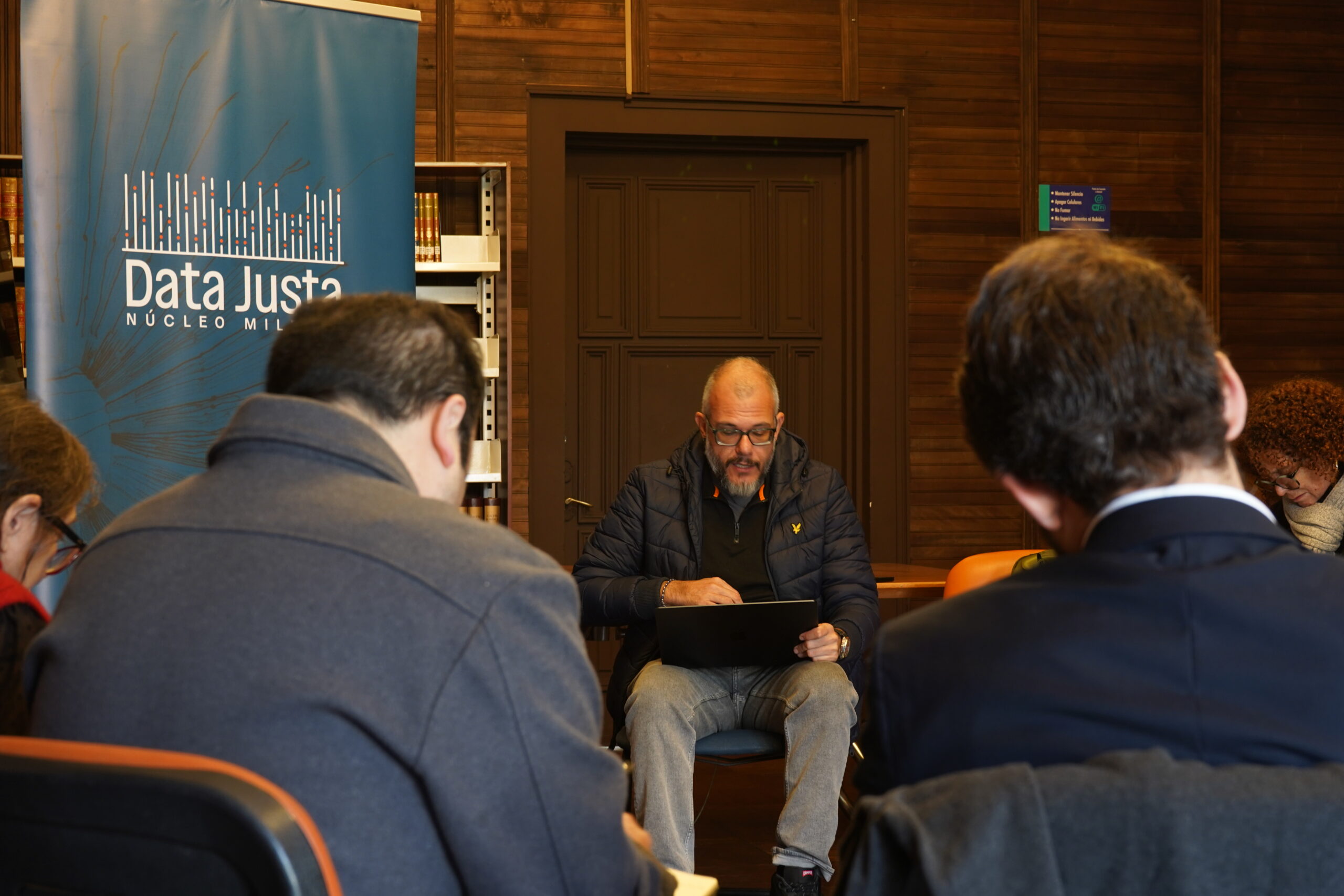
During his recent visit to Data Justa, Emiliano Treré proposed looking beyond the efficiency of data systems and asking how their categories, forms of access, and decisions affect the relationship between the State and citizens.
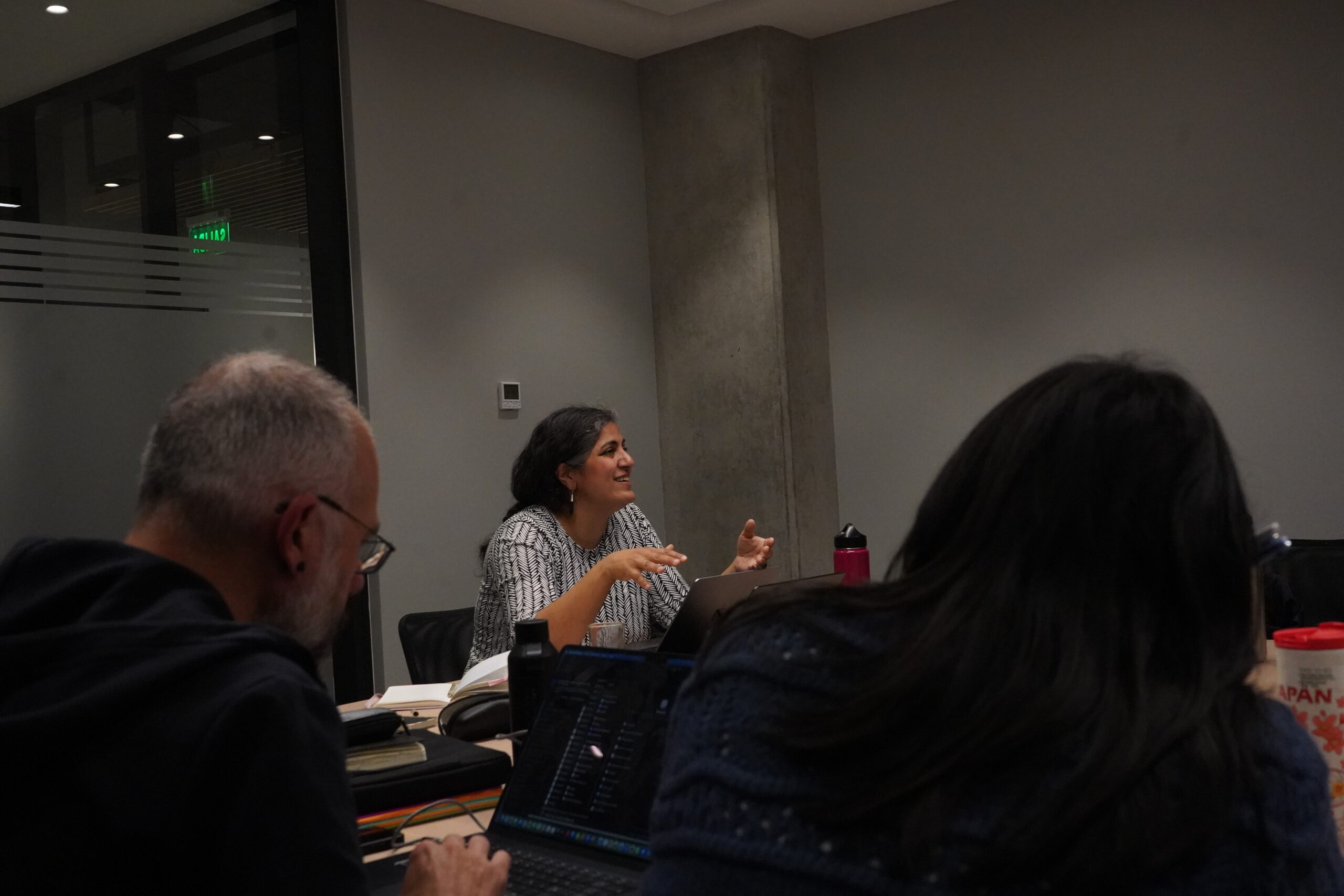
Ethnographer Maryam Ajdam opened the Research Methods for the Study of Violence series with a reflection on how to research what has been erased, focusing on silences, traces, and the ways in which absence remains inscribed in places marked by political violence.
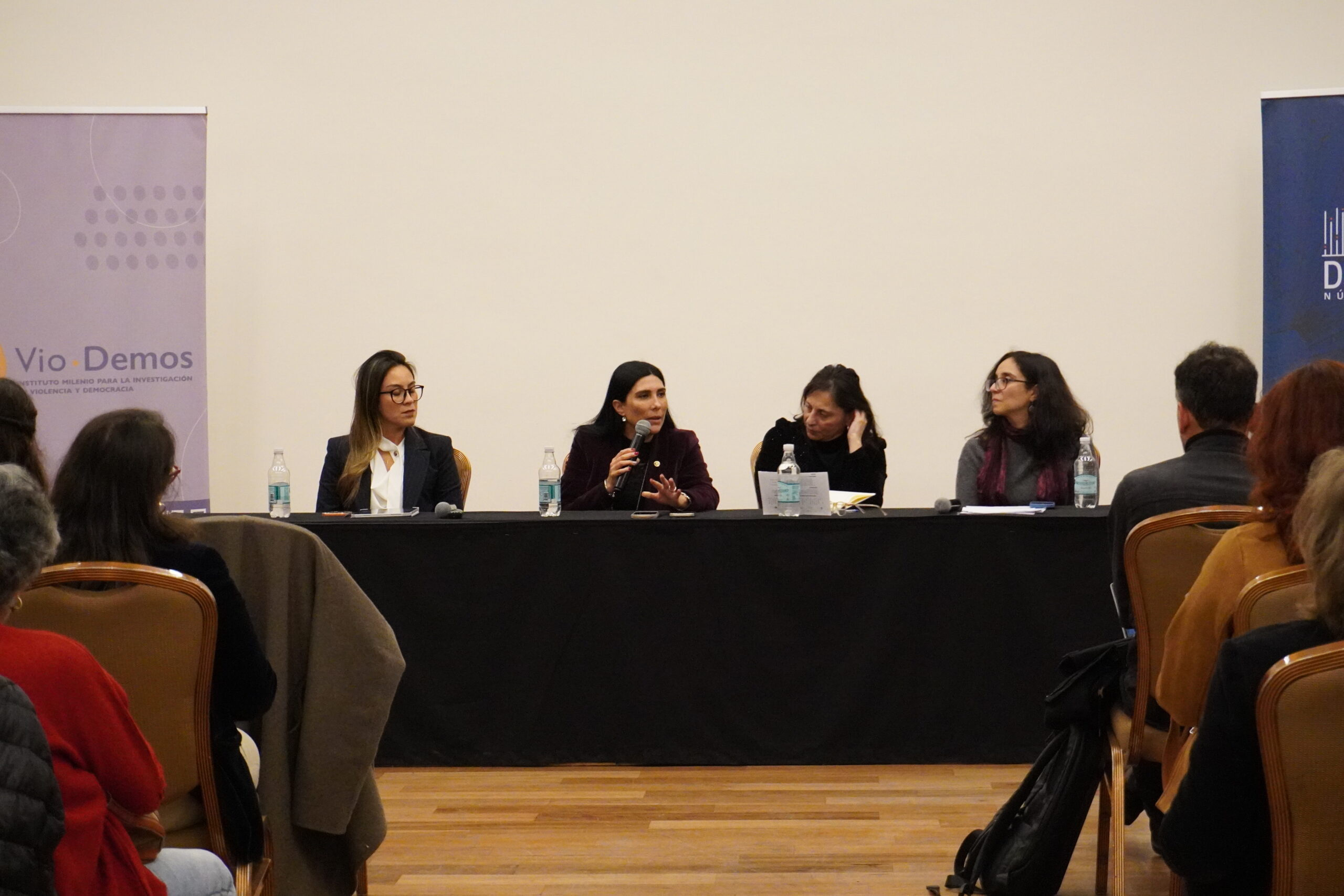
The Millennium Nucleus Data Justa, the Millennium Nucleus on Criminal Complexity, and VioDemos held a seminar on the challenges of the State response to human trafficking. The event brought together representatives from public institutions, academia, and civil society to discuss criminal investigation, victim protection and reparation, institutional coordination, and the need to strengthen State capacities to address this crime.
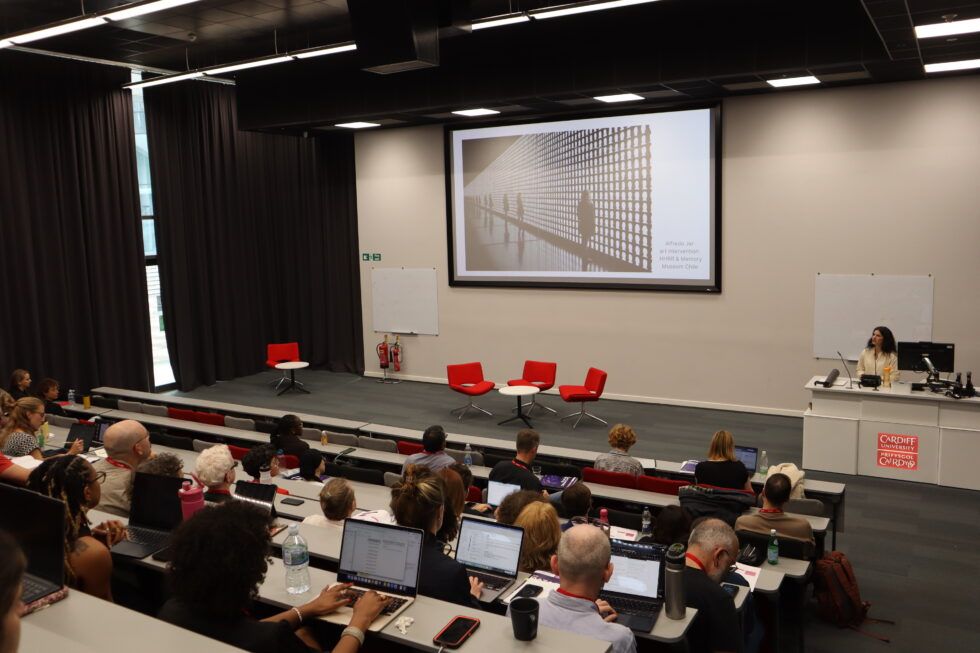
Researchers from the Millennium Nucleus Data Justa participated in LASA2026 in Paris and the Data Justice Conference: The Datafied State in Cardiff. These activities provided opportunities to strengthen international research networks and share reflections on human rights, reparation, and state data infrastructures.
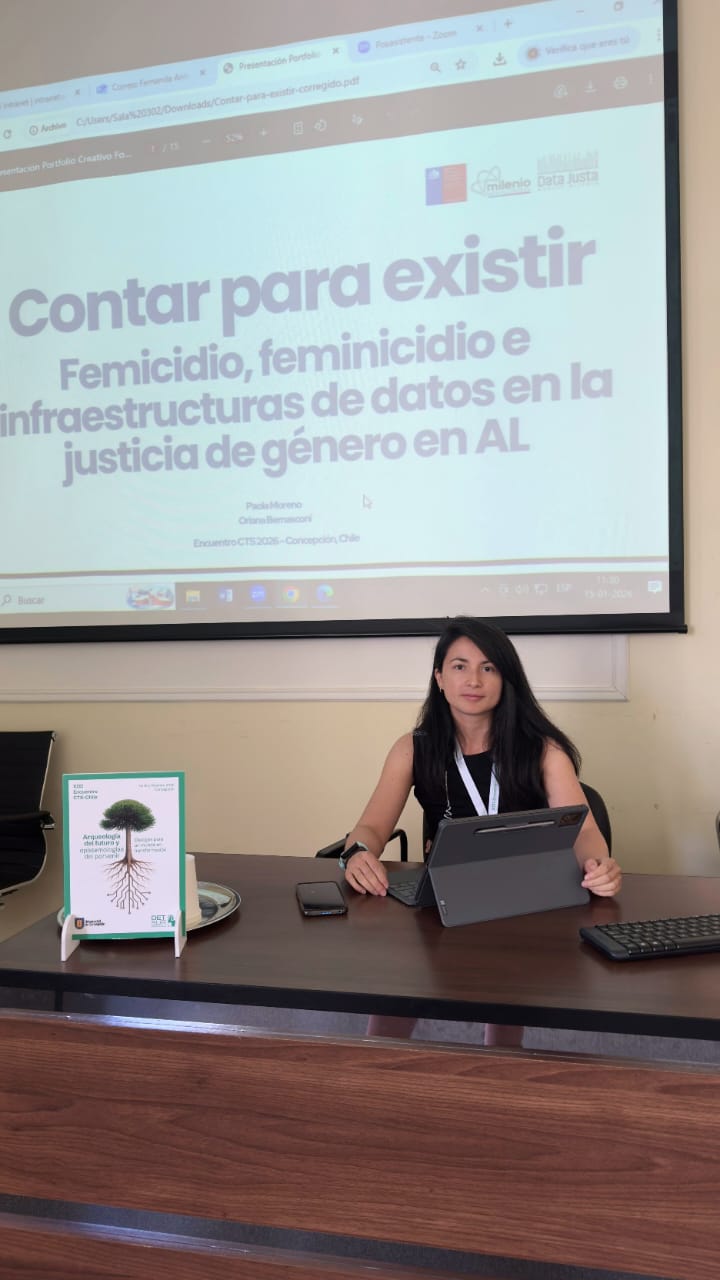
As part of the 13th Red CTS Conference, held at the University of Concepción, researchers Paola Moreno and Oriana Bernasconi presented the paper “Counting to Exist: Femicide, Feminicide, and Data Infrastructures in Gender Justice in Latin America,” as part of the panel “Critical Analysis of Public Policies II.”
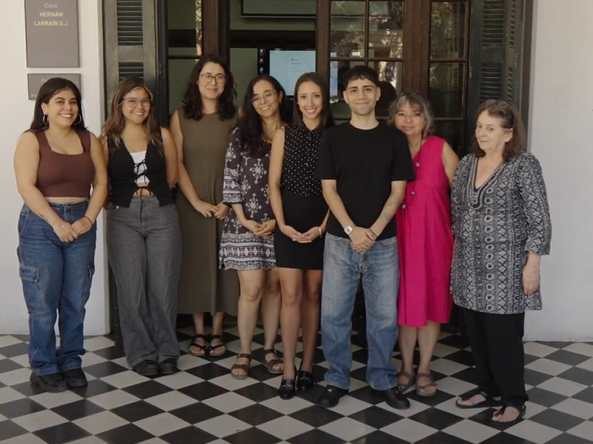
As part of its training area, Data Justa held a new session of the Data Justa Laboratory on Thursday, January 15. This laboratory is a regular working space within the project, focused on data analysis, methodological discussion, and collective reflection among the research team. On some occasions, it also includes training activities with students and thesis researchers linked to the project.
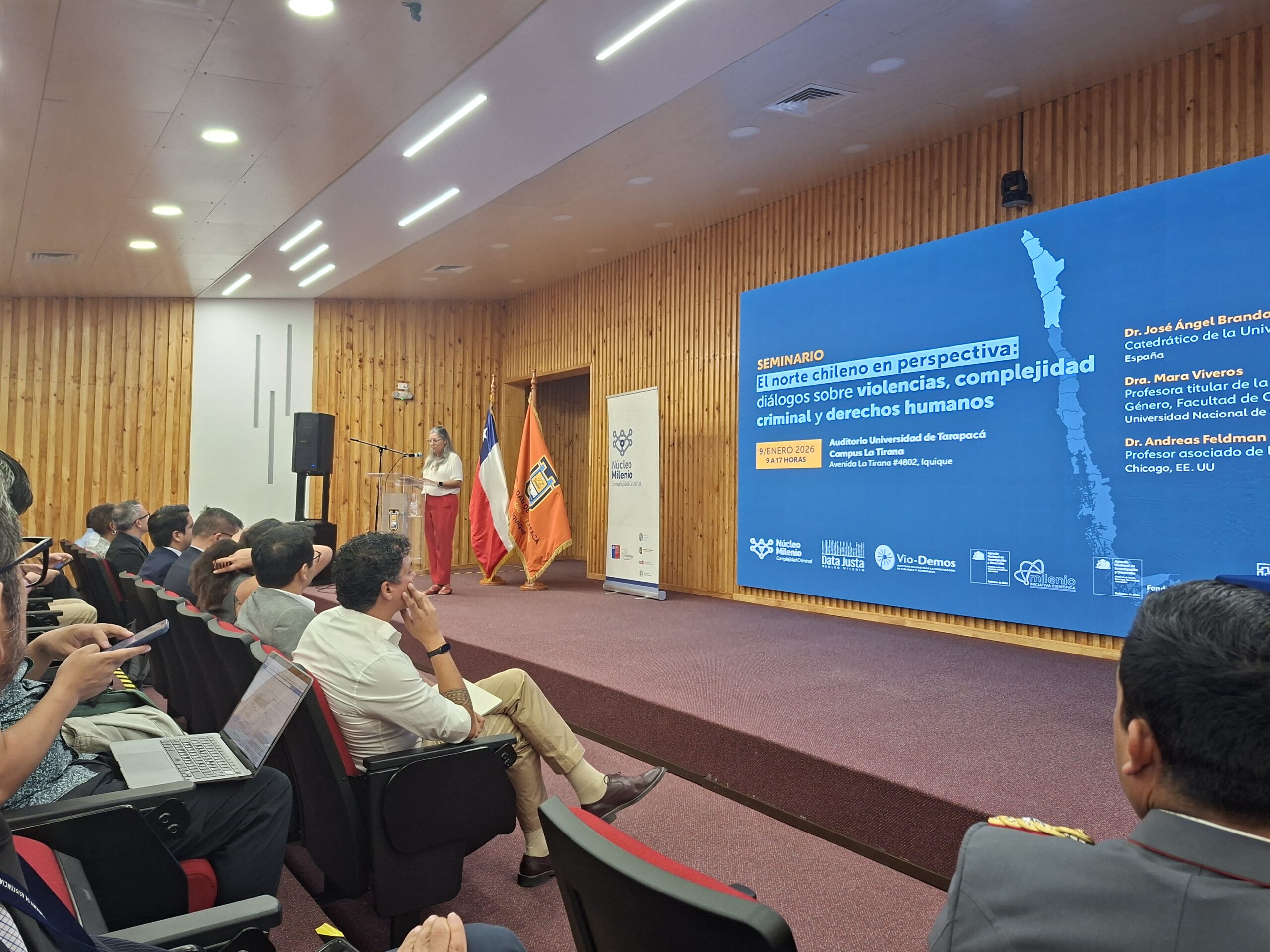
During January, members of the Data Justa team carried out a series of fieldwork activities in the Tarapacá Region, aimed at deepening the understanding of victimizing events — such as human trafficking and femicide — and of institutional responses to these forms of violence. This work was developed with attention to the specificity of the territory and its borderland condition, where highly complex social and institutional dynamics converge.
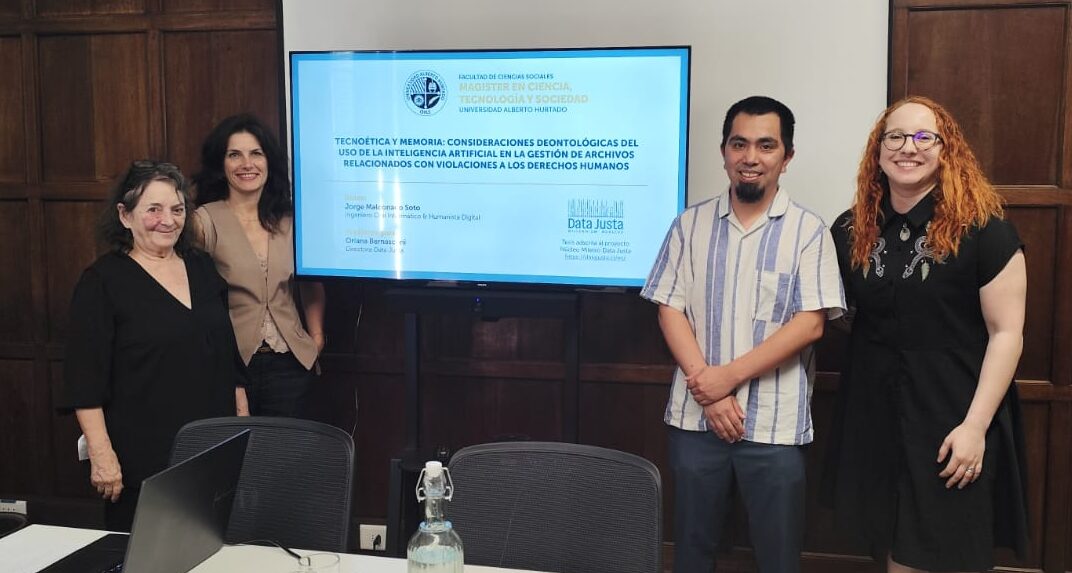
From Data Justa, we are pleased to highlight the successful defense of the master’s thesis of Jorge Maldonado Soto, a Computer Science Engineer specializing in digital humanities and a graduate thesis researcher on the team. He is the first Millennium Nucleus thesis student to obtain his degree, marking an important milestone for the project’s training area.
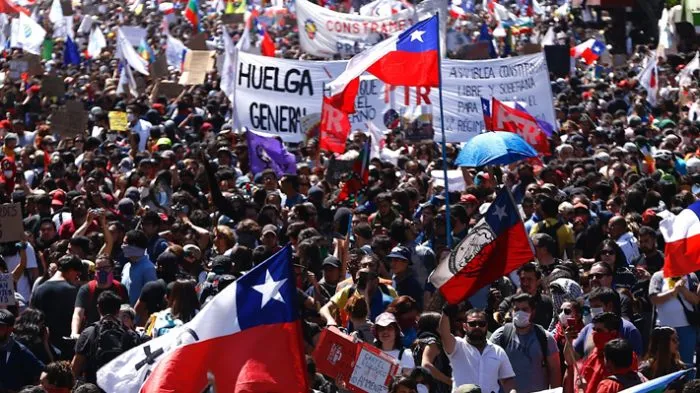
Six years after the social uprising, this column published in El Mostrador reflects on the recent report by the Public Prosecutor’s Office and on the role of data in processes of truth, justice, and reparation in response to institutional violence.
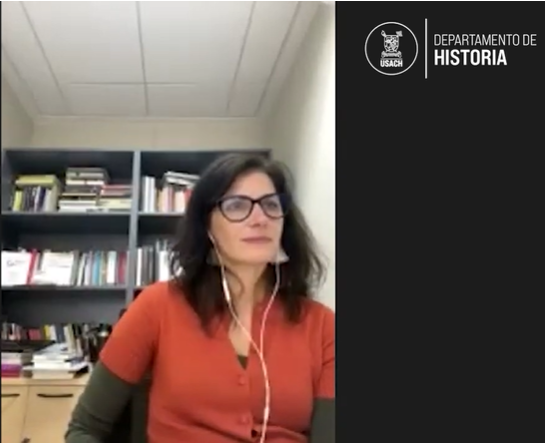
As part of the interview series conducted by the Human Rights Chair of the Department of History at Universidad de Santiago de Chile (USACH), Oriana Bernasconi, Director of the Data Justa Millennium Nucleus and faculty member at the Institute for Applied Ethics at Pontificia Universidad Católica de Chile, reflected on the processes of documenting and recording human rights violations in Chile.
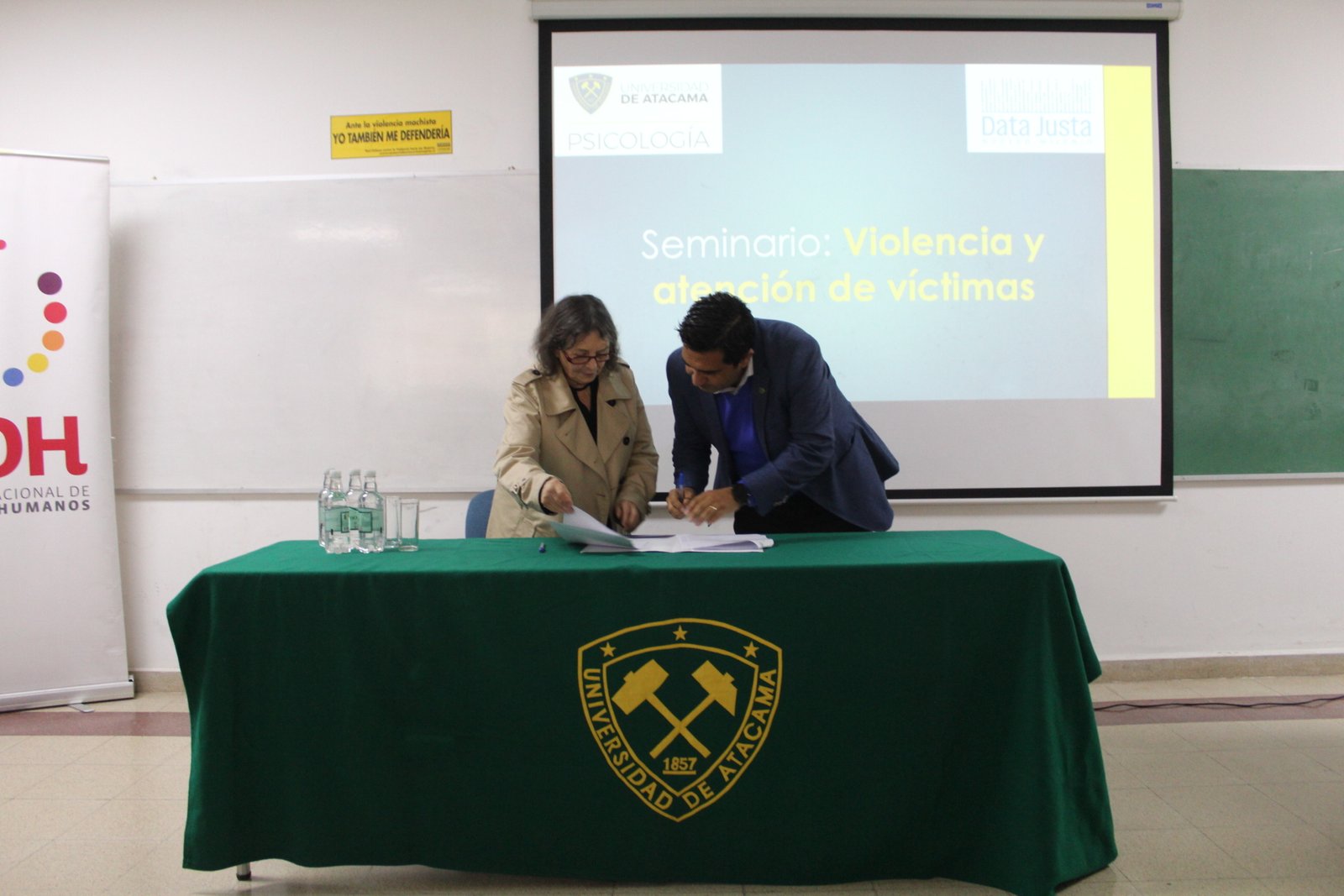
The DATA JUSTA Millennium Nucleus and the University of Atacama (UDA) formalized a collaboration agreement that will help expand research, training, and interinstitutional work around justice, memory, and reparation.