
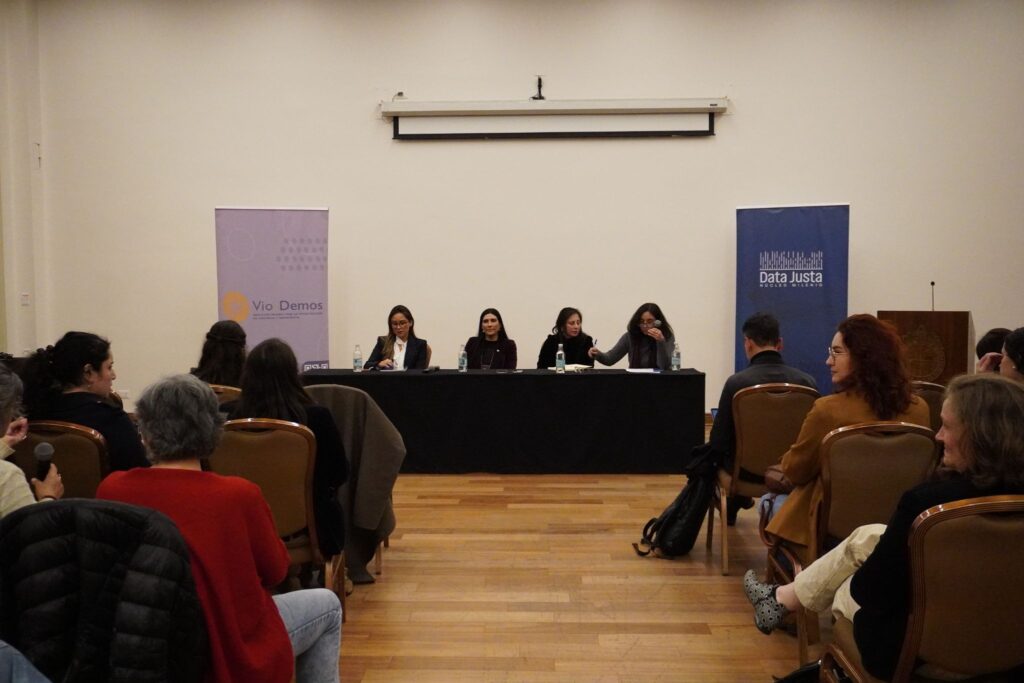
Held in the context of World Day Against Trafficking in Persons, the event brought together more than 30 participants, including students, members of civil society organizations, professionals, and researchers involved in investigating this crime and in providing assistance and protection to its victims.
On Thursday, July 30, the seminar “Detection, Investigation, Reparation, and the Guarantee of Rights: The State Response to Human Trafficking” was held, organized by the Millennium Nucleus Data Justa, the Millennium Nucleus on Criminal Complexity, and the Millennium Institute for Research on Violence and Democracy (VioDemos).
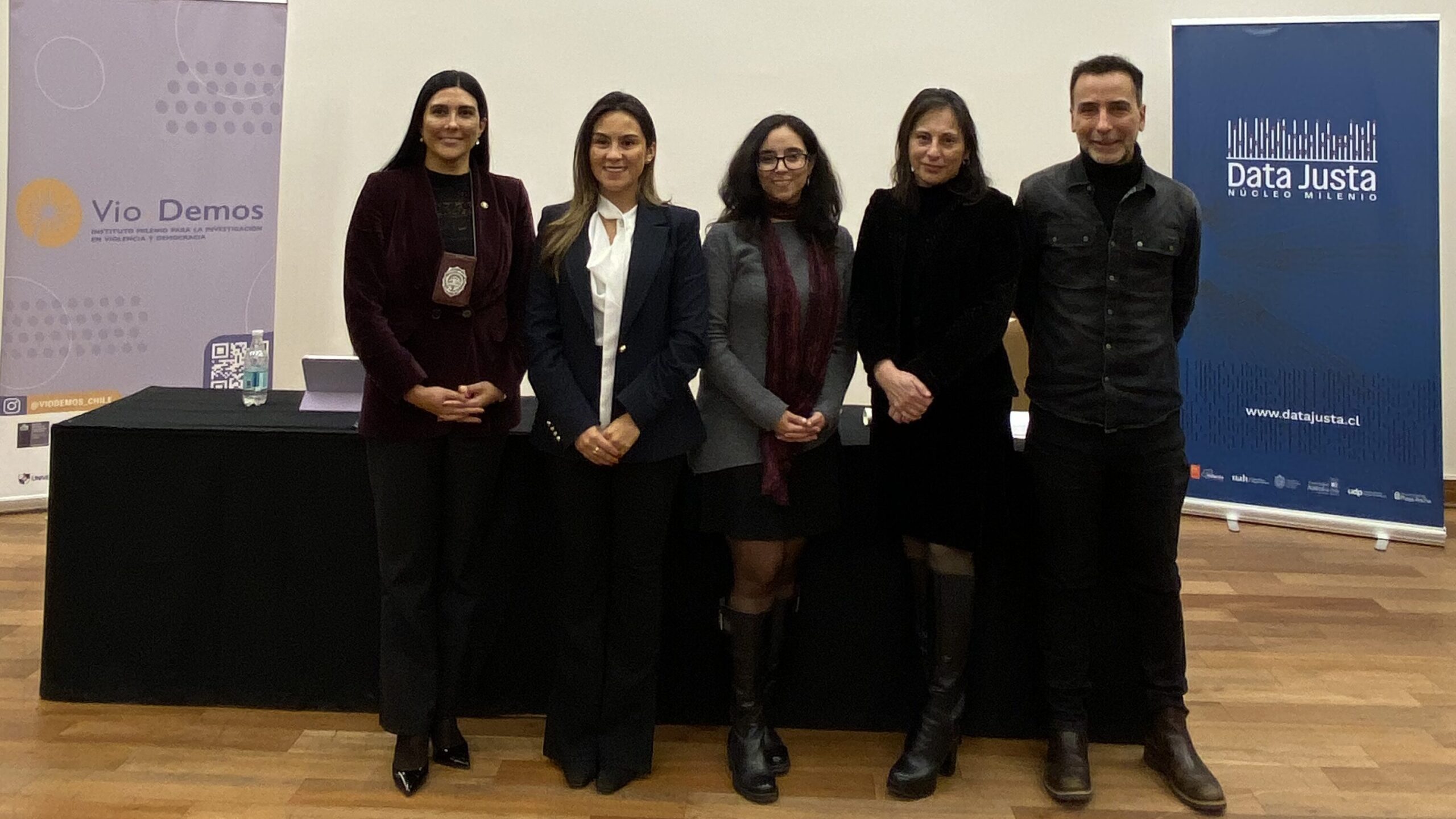
The event sought to create a space for dialogue and collective reflection on the challenges facing the State response to human trafficking, particularly in relation to detection, criminal investigation, institutional coordination, and the protection of affected individuals.
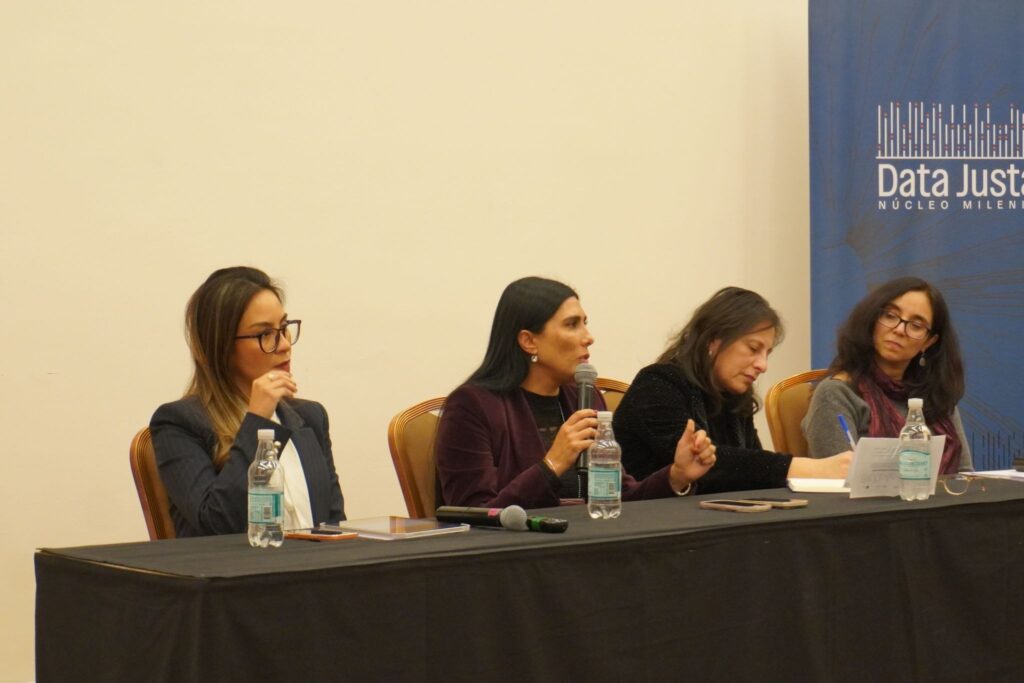
The event began with remarks by Ángel Aedo, Director of VioDemos, who highlighted the importance of an active and engaged State capable of detecting and investigating human trafficking, repairing the harm caused, and guaranteeing the rights of those who have been victims of this crime.
The panel featured Mariela Carvajal, Deputy Prefect and Head of the Human Trafficking Investigation Brigade in Iquique of the Chilean Investigative Police; Marcela Tapia Leiva, professor at Universidad de Tarapacá and researcher at the Millennium Nucleus on Criminal Complexity; and Catalina Duque González, attorney at the Victim and Witness Assistance Division of the National Prosecutor’s Office. The discussion was moderated by Daniela Bolívar, Principal Investigator at the Millennium Nucleus Data Justa.
During the event, the speakers examined the State response to human trafficking from three complementary perspectives: police investigation, academic research, and the system for assisting and protecting victims and witnesses.
Drawing on her experience in law enforcement, Mariela Carvajal emphasized the need to strengthen coordination among the institutions involved in these cases. “Coordination and communication are essential for conducting effective investigations and providing victims with effective protection,”she said.
The Deputy Prefect also highlighted the specialized expertise required to investigate this crime and the work carried out by the Chilean Investigative Police to address its complexities. In this regard, she explained that the creation of specialized brigades and the ongoing training of their teams have helped improve both investigations and the protection of affected individuals.
Marcela Tapia, for her part, valued the fact that the seminar brought together representatives from the criminal justice system, State institutions, and academia. In her view, this diversity made it possible to identify existing weaknesses, discuss key challenges, and recognize good practices that could be shared among institutions.
“Esta articulación entre la academia y la institucionalidad es fundamental para enfrentar la complejidad de la trata de personas”, afirmó. La investigadora también subrayó la necesidad de considerar las diferencias territoriales del fenómeno, debido a que sus manifestaciones y los recursos disponibles para enfrentarlo varían entre las distintas zonas del país.
La conversación abordó, además, los desafíos relacionados con la atención, protección y reparación de las víctimas. Catalina Duque valoró especialmente la diversidad de perspectivas y preguntas que surgieron durante la jornada. “Pudimos abordar distintos aspectos de la investigación, la protección de las víctimas, la labor del Estado y también el aporte de la sociedad civil”she said.
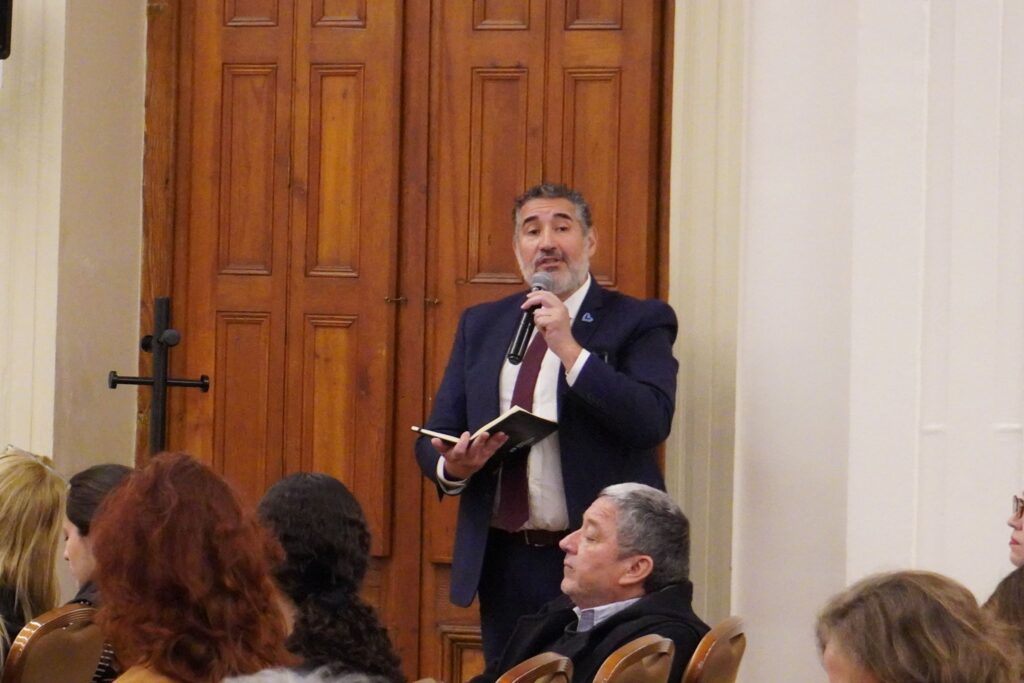
According to Duque, these spaces help broaden the understanding of the phenomenon and strengthen the capacities of the different actors involved. “I hope this event contributes to advancing responses to human trafficking and reducing the harm caused by this crime,” she added.
Al finalizar la actividad, Daniela Bolívar sostuvo “Me quedo con que en Chile estamos recién dando los primeros pasos en lo que se refiere a la respuesta frente a la trata de personas, pero también debemos reconocer que ya existe un grupo importante de personas de distintos sectores que están trabajando con profesionalismo y dedicación en este tema y este tipo de actividades son de especial relevancia para articular miradas e identificar vacíos”.
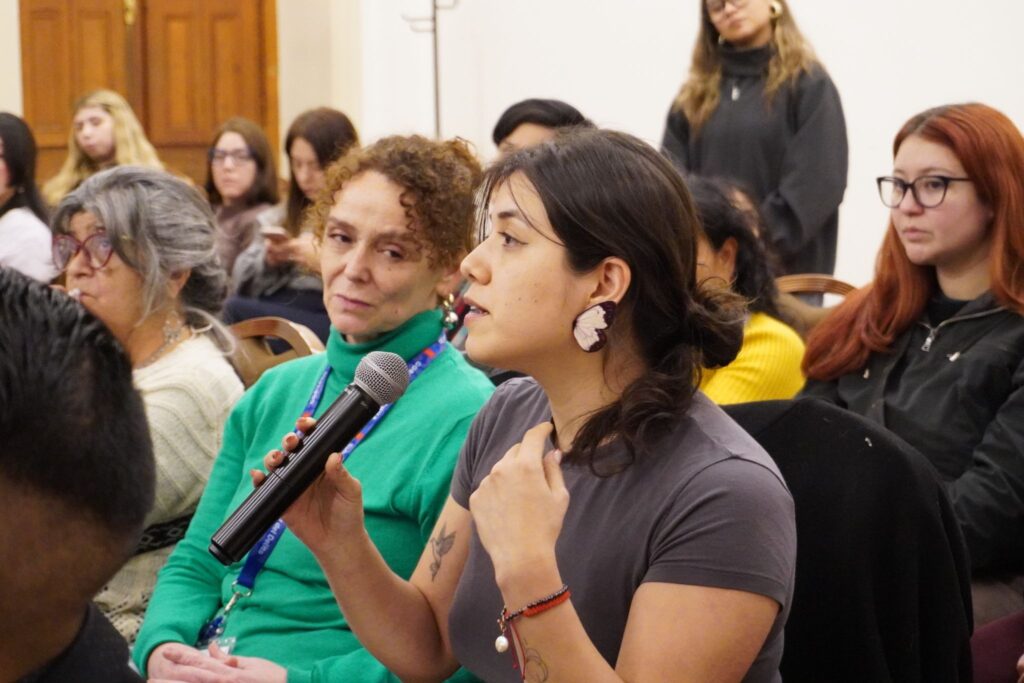
The seminar concluded with a discussion between the speakers and the audience, which provided an opportunity to further explore the remaining challenges in improving institutional coordination, strengthening the specialization of professional teams, and moving toward the creation of an up-to-date registry of survivors of human trafficking.