Data Justa

News

News

Data Justa’s Training Area Brings Together Students and Thesis Researchers for a Collaborative Work and Feedback Session

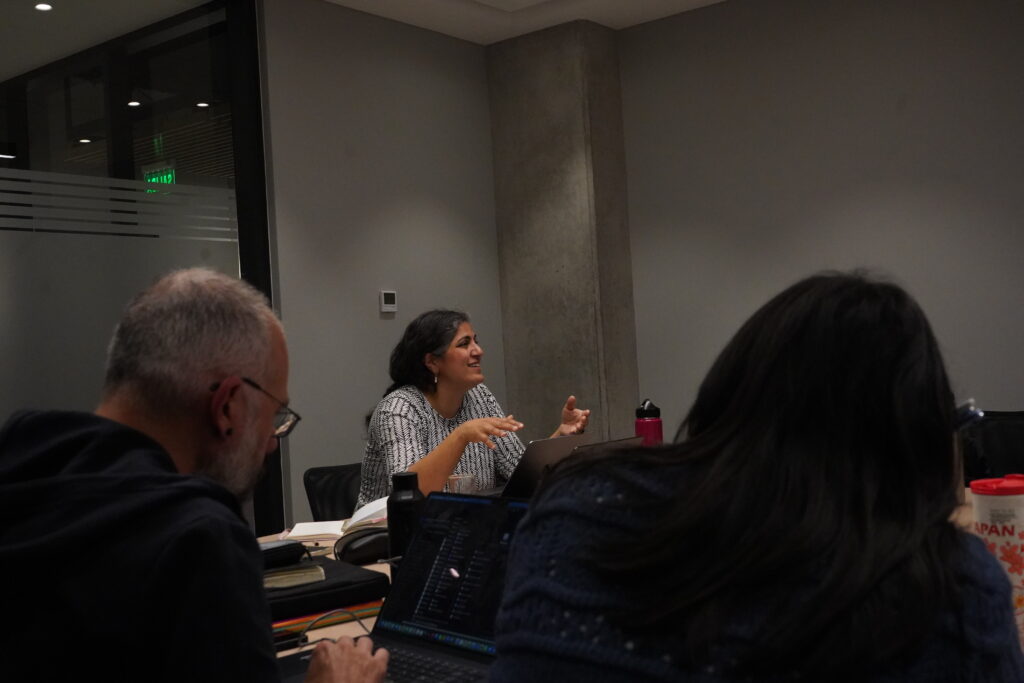
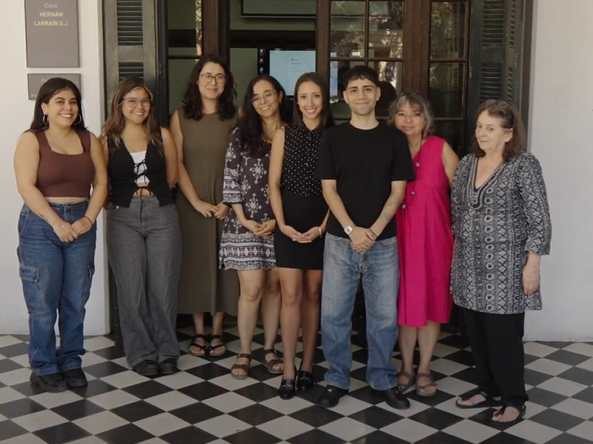
As part of its training area, Data Justa held a new session of the Data Justa Laboratory on Thursday, January 15. This laboratory is a regular working space within the project, focused on data analysis, methodological discussion, and collective reflection among the research team. On some occasions, it also includes training activities with students and thesis researchers linked to the project.

News

Field Research and Collaborative Work in the northern borderlands

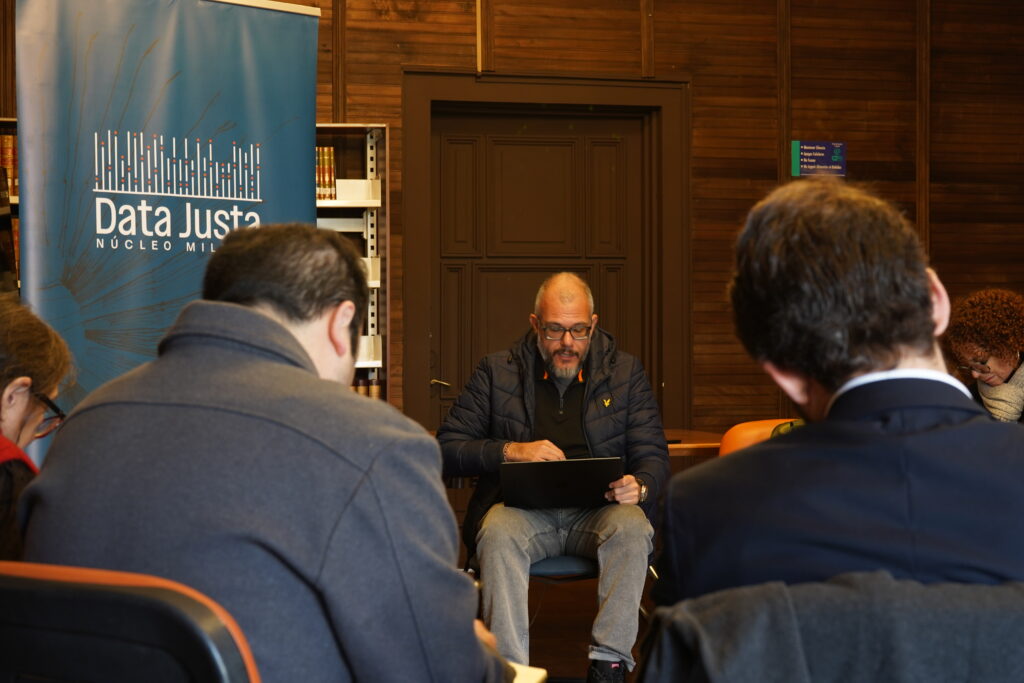
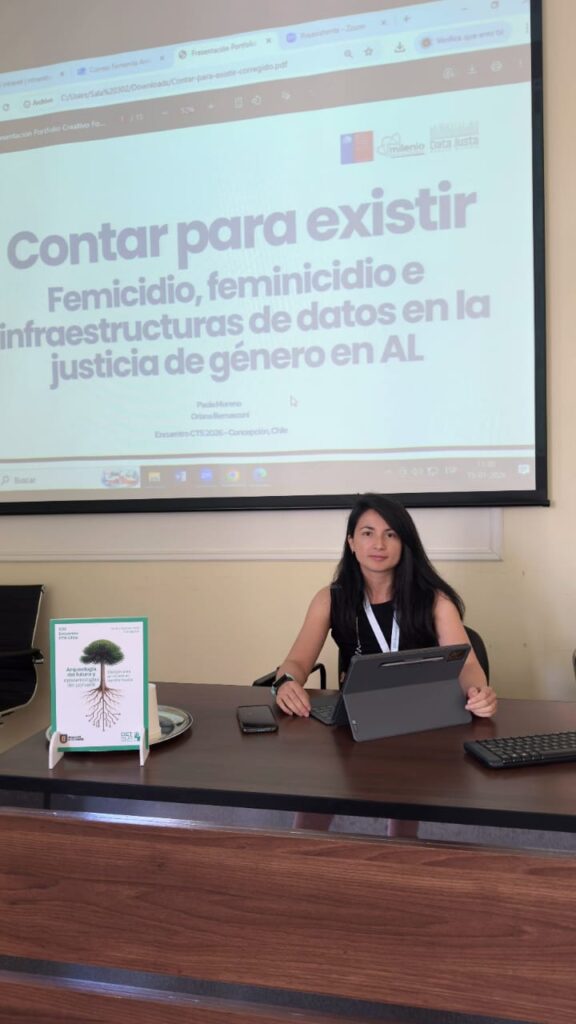
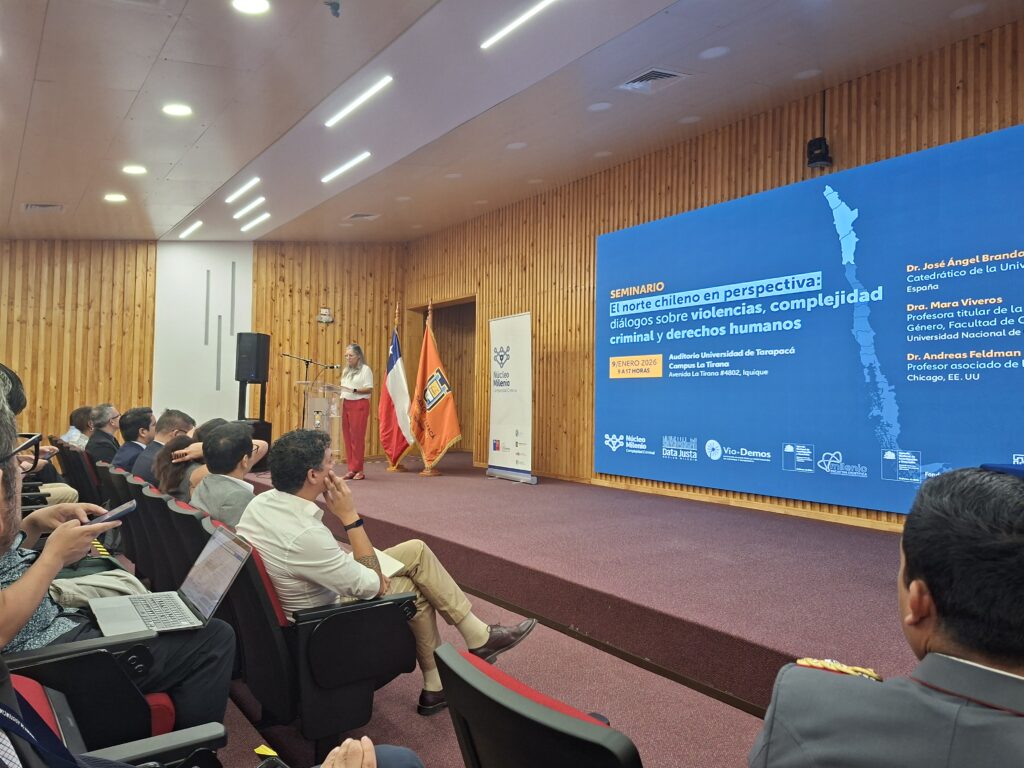
During January, members of the Data Justa team carried out a series of fieldwork activities in the Tarapacá Region, aimed at deepening the understanding of victimizing events — such as human trafficking and femicide — and of institutional responses to these forms of violence. This work was developed with attention to the specificity of the territory and its borderland condition, where highly complex social and institutional dynamics converge.

News

The Importance of Studying Records and Knowledge Production to Strengthen Democracy

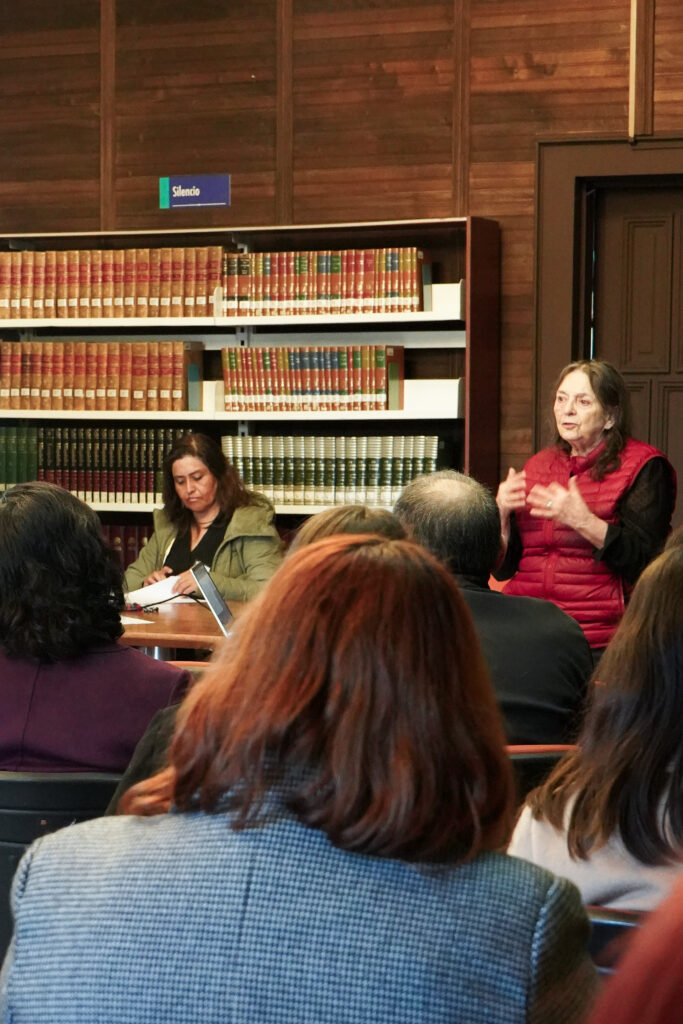
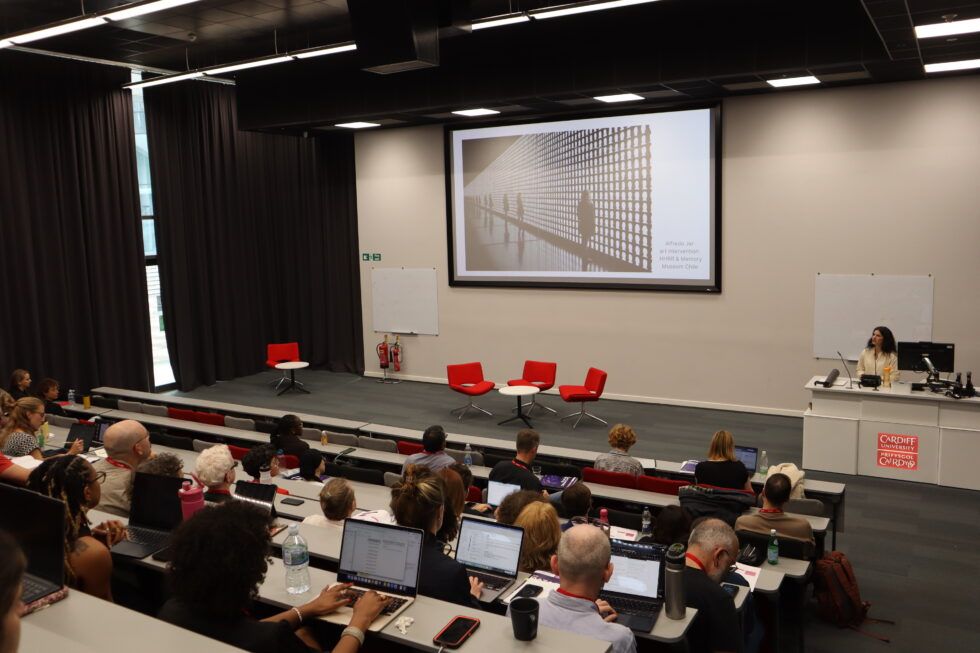
As part of the interview series conducted by the Human Rights Chair of the Department of History at Universidad de Santiago de Chile (USACH), Oriana Bernasconi, Director of the Data Justa Millennium Nucleus and faculty member at the Institute for Applied Ethics at Pontificia Universidad Católica de Chile, reflected on the processes of documenting and recording human rights violations in Chile.

News

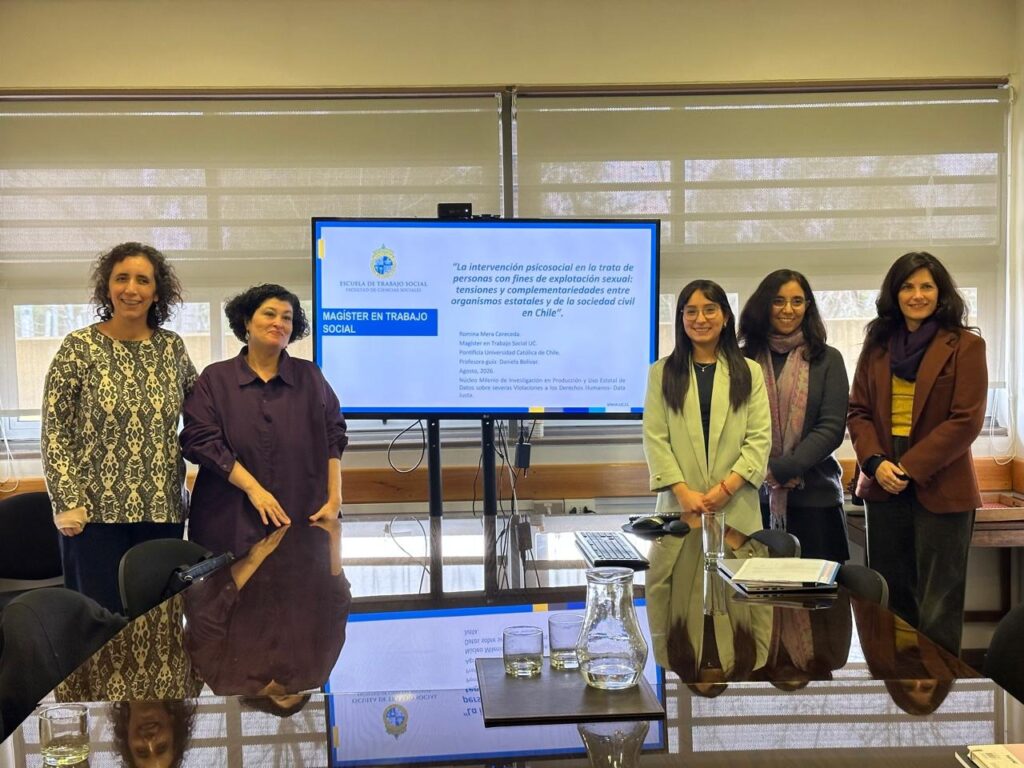
New Perspectives for a More Effective Criminal Justice System: Daniela Bolívar Leads ANID Project on Innovative Mechanisms in Chile

On July 31, the results of the 2025 ANID Exploration Competition were announced, with the project “Understanding the (Un)successful Implementation of Innovative Justice Mechanisms in the Chilean Criminal Justice System” being awarded funding. The project is led by Daniela Bolívar, faculty member at the School of Social Work of Pontificia Universidad Católica de Chile and Principal Investigator at the Data Justa Millennium Nucleus. The research will run for four years and will involve an interdisciplinary team working in close collaboration with public institutions.

News

How Does the State Record Victims of Human Rights Violations? Reflections from the Data Justa Project on the Radio Program “Libres e Iguales”

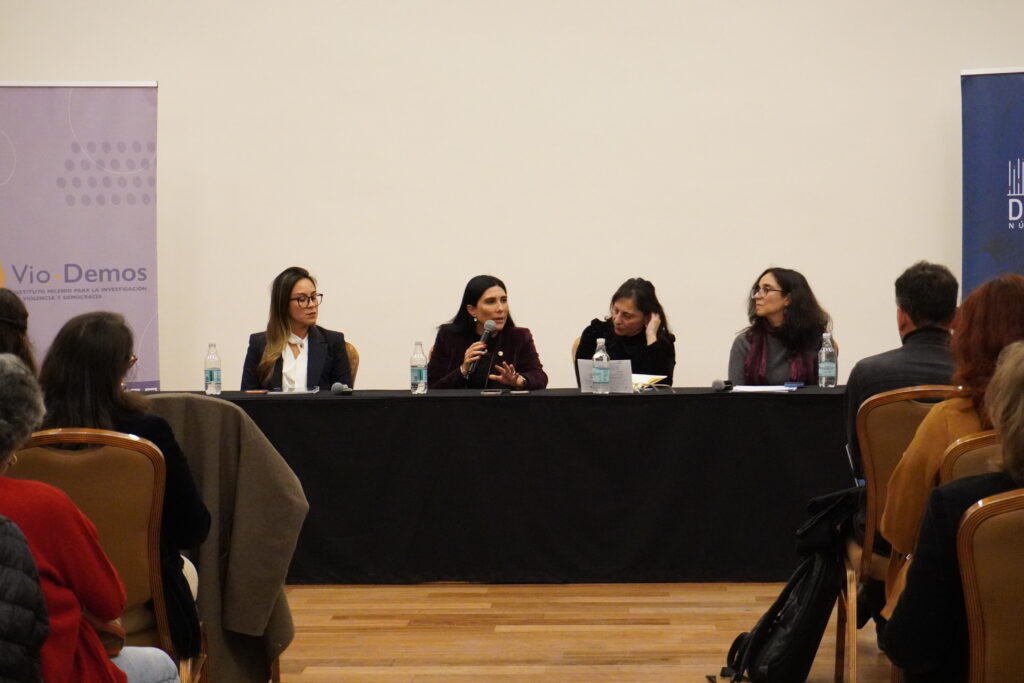
On Thursday, July 10, Oriana Bernasconi, Director of the Data Justa Millennium Nucleus, was interviewed on the radio program Libres e Iguales, produced by the Los Ríos office of the National Human Rights Institute and Radio UACh. During the conversation, hosted by Patricia Cocq and Miriam Ramírez, Bernasconi discussed some of the main challenges faced by the Chilean State in producing, organizing, and using information on victims of serious human rights violations.

Scroll al inicio